
Most gas water heaters in South Bend, IN work the same basic way. Gas enters through a control valve that doubles as the thermostat and feeds a burner beneath the tank, and the hot exhaust travels up a flue through the middle of the tank and out through the vent. A thermocouple, or a flame sensor on newer electronic models, tells the valve a flame is present; without that signal, the valve shuts off the gas for safety. The design is dependable, but it has a few predictable weak spots. Thermocouples wear out, pilot tubes and burner ports clog, the flame arrestor screen at the base packs up with lint and dust, control valves fail, and vents lose their draft.
South Bend Water Heater does not guess with gas appliances. On every South Bend call, our technicians test the thermocouple's millivolt output, inspect the pilot and burner flame, check gas pressure at the valve, and run a draft test at the draft hood to confirm exhaust is actually leaving the house. We look inside the combustion chamber for scorching, rust, and signs of flame rollout, which tell us whether the flue is blocked or the burner is misbehaving, and we check for carbon monoxide around the heater. One rule comes before all of it: if you smell gas, do not light anything or flip switches. Leave the house, call your gas utility from outside, and then call us once it is safe.
Some gas heaters need a quick part swap, and some need an honest conversation. We handle both. Thermocouples, flame sensors, pilot assemblies, hot surface igniters, gas valves, and burner cleaning are routine repairs, and we correct venting faults and flush sediment during the same visit when needed. If the tank is leaking, rusting through, or past about ten to twelve years with a major failure, we will explain why replacement makes more sense. Our installations cover like-for-like swaps and upgrades to power vent or high-efficiency models, with correct gas line sizing, sediment traps, expansion tanks, drain pans, and seismic strapping wherever required. Call (574) 205-6462 and we will get your hot water back.
Our two most requested services are Water Heater Repair in South Bend and Water Heater Installation in South Bend. Either is a good place to start.
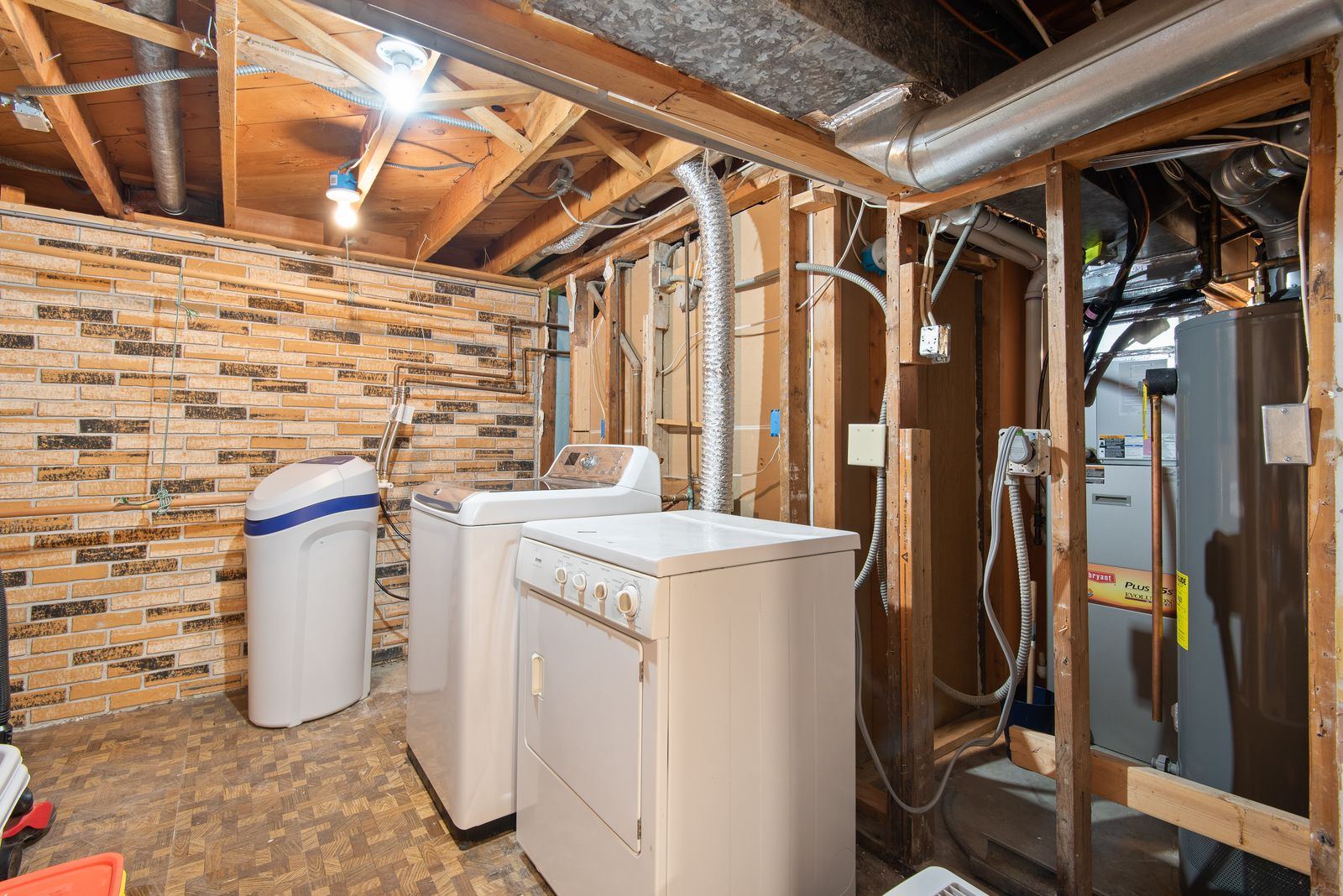
How to Tell Something Is Wrong
Water heaters usually give plenty of warning before they fail, as long as you know what to look and listen for. If any of the following sound familiar, it's worth having the unit checked:
- A vent pipe that has separated, rusted, or left scorch marks near the top of the heater
- A cold tank and a burner that will not come on
- Rust-colored hot water or rust streaks on the tank
- Loud rumbling from the bottom of the tank
- A pilot that lights, then goes out when you release the knob
- Showers that go cold sooner than they did a year ago
- A flame that looks orange or floppy rather than steady and blue
- A faint gas or rotten-egg smell near the heater (leave and call the gas utility)
Act Before It Gets Worse
Tanks rarely fail all at once. They corrode from the inside for months, and the warning signs show up long before the floor gets wet. Don't wait. Get South Bend Water Heater on the phone at (574) 205-6462 and we'll get a technician scheduled.
No Hot Water? We Can Help.
Our experienced technicians are standing by to help.
Tap to Call (574) 205-6462Your Gas Water Heater Services Questions Answered
Why Hire a Professional for Gas Water Heater Services?
Start with the hazards. Every gas water heater involves fuel piping, an open flame, and exhaust that contains carbon monoxide. A loose flare or threaded joint can leak gas, a vent that is disconnected or poorly sloped can spill exhaust back into the room, and a gas valve installed without a leak test is a risk you cannot see. Then there is the diagnostic side: a pilot that goes out can mean a weak thermocouple, a dirty pilot orifice, a clogged flame arrestor, a draft problem, or a failing gas valve, and replacing them one by one is slow and costly.
What a trained technician brings is certainty. We test instead of guessing, from thermocouple millivolt readings and burner flame checks to gas pressure at the valve and a draft test at the hood. Before we leave, every connection is leak-tested, the vent is confirmed to carry exhaust outside, and CO is checked. And because some gas heaters are not worth another repair, we give you a straight answer on repair versus replacement first, then handle either one with correct venting, gas piping, and the code items your installation requires.
What to Expect From Our Team
We follow the same careful process on every water heater, whether it's a quick thermostat swap or a full tankless conversion. Here's the short version:
Combustion & Component Testing
We check for gas leaks and carbon monoxide, then we test the thermocouple or flame sensor, gas valve, burner, and draft so we know exactly what stopped the heater.
Honest Findings & Firm Quote
You hear the cause in plain terms and get the price first. When a repair would only buy a few months on a failing tank, you will hear that from us and lay out replacement options.
Same-Visit Repair
Most fixes happen right then, from a new thermocouple to a cleaned burner or corrected vent. New installs include gas line work, a sediment trap, and the code items your home needs.
Verified Safe Operation
With the burner running, we check every gas joint for leaks, confirm the vent drafts properly, and verify the burner flame and water temperature before we leave.
Prevention Tips That Actually Help
A little routine care goes a long way toward keeping a water heater running well past its expected lifespan. Here are our recommendations:
- Check the anode rod every three to five years, since it protects the tank from corrosion
- Watch for a loose, rusted, or sagging vent pipe above the heater
- Never store flammable liquids near a gas water heater
- Vacuum lint and dust from the flame arrestor screen at the base a few times a year
- Make sure your home has CO alarms that work, especially with gas appliances
- Set the gas valve near 120 degrees, because hotter water costs more and can scald
- Flush a few gallons from the drain valve periodically to control sediment
Comparing DIY and Professional Work
Online videos may help in a pinch, yet lasting repairs and code-compliant installs depend on correct venting, proper relief valve discharge piping, and a trained technician. Here's how the two approaches stack up:
| Factor | Doing It Yourself | Professional Service |
|---|---|---|
| Finding the Fault | Guess between pilot, valve, and draft problems | Instruments pinpoint the actual failure |
| Gas Leaks | No leak detection after the work | Gas piping verified tight and sound |
| Venting & CO | Vent slope and connections overlooked | Draft tested and CO measured |
| Code Compliance | Straps, pan, and expansion tank missed | Permit handled where required |
| Sediment & Tank Care | Sediment left to bake on the bottom | Tank and anode inspected during service |
| Result | Temporary fix at best | Root cause fixed and verified safe |
Book a Visit Today
Get your hot water back before a small fault turns into a flooded floor. South Bend Water Heater is ready to respond fast.
Call (574) 205-6462 NowWhere We Provide Gas Water Heater Services
We bring gas water heater services to homes and businesses in town and across the nearby communities. Pick your area to see local details.