Not every water heater problem is an emergency, but the ones that are get more expensive with every minute. The classic example is a ruptured tank. Because the cold inlet keeps feeding a failed tank, the leak does not end when the heater is empty; it can keep going until someone closes a valve, soaking subfloors, carpet, and ceilings below. Other urgent signs include a relief valve that is releasing water again and again, which means the tank is running too hot or at too much pressure, a sudden jump to scalding water at the tap, and a rotten-egg odor near a gas unit. For households in South Bend, IN, any of these is worth a call right now rather than a wait-and-see approach.
Before anything else, rule out gas. A rotten-egg odor near the heater means everyone leaves the house, nobody operates switches or appliances on the way out, and the call goes to your gas utility or 911 from a safe distance. If there is no gas smell, turn to the water: close the cold supply valve at the top of the heater, or the main shutoff if that valve is frozen in place. Next, cut the energy to the unit, turning a gas control to OFF or switching off the dedicated breaker on an electric model, as long as you are standing on dry ground. Leave the relief valve alone if it is discharging. Plugging it removes the final protection against a tank that is overheating. Once things are isolated, call (574) 205-6462 and we will help.
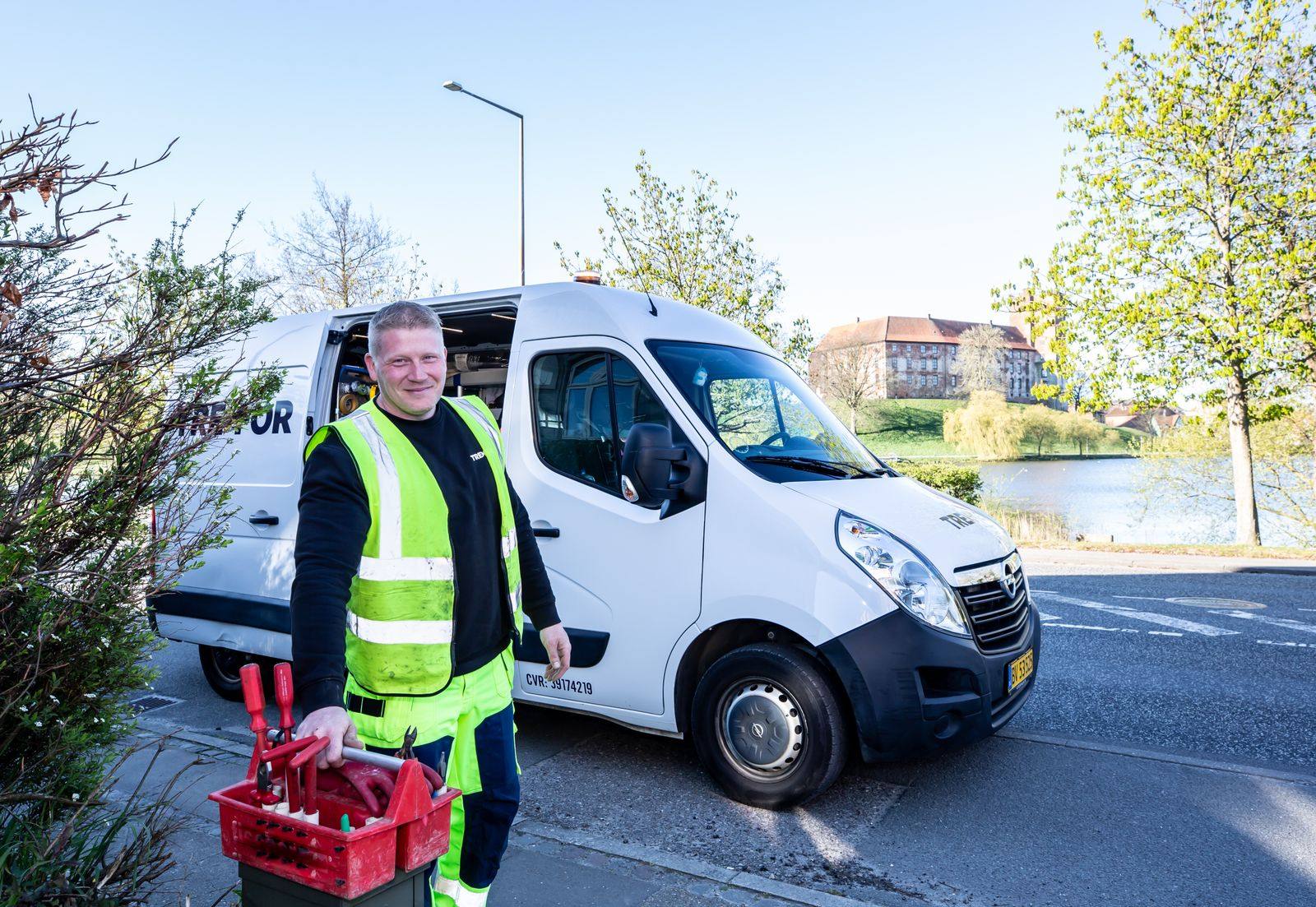
Our part of the job begins the moment you call (574) 205-6462. Our team walks you through isolating the heater, confirms the leak has actually stopped, and gives you a realistic window for a technician rather than a number that sounds good. On site, we make everything safe first: water, gas or power, and venting. Then we diagnose. A failed relief valve, a leaking drain valve, a corroded supply fitting, or a burned-out element can usually be replaced the same visit because those parts ride on the truck. If the tank has rusted through, no repair will hold, and you will hear that from us directly before walking through replacement choices. Families throughout South Bend call us for exactly these moments.
What homeowners call us about most is Water Heater Repair in South Bend. Start there if you're not sure what you need.
Symptoms That Mean It's Time to Call
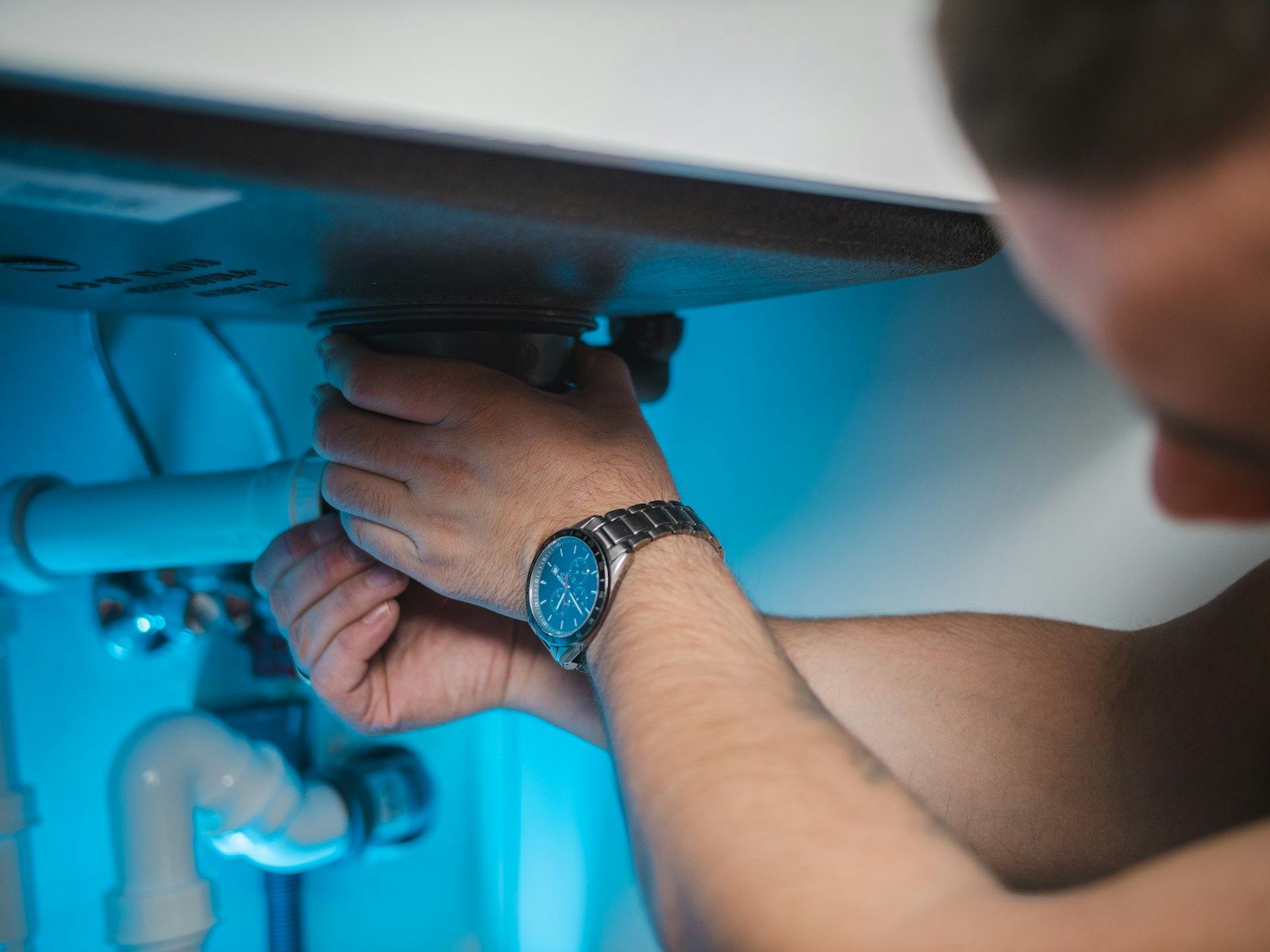
Most tanks announce trouble weeks or months ahead with rumbling noises, rusty water, or hot showers that keep getting shorter. Watch for these telltale signs that professional help is needed:
- A puddle under the tank that keeps growing
- A heater breaker that will not stay on after being reset
- Signs of scorching or backdrafting around the base or top of a gas heater
- Violent rumbling or banging from the heater as it runs
- Water or steam coming from the temperature and pressure relief valve or its discharge pipe
- Tap water hot enough to burn, even at the usual setting
- A rotten-egg smell near a gas water heater (leave first, and call the gas utility)
- A complete loss of hot water throughout the house
Act Before It Gets Worse
Left alone, even minor symptoms like rumbling or temperatures that swing from hot to warm tend to mean the heater is working its way toward a breakdown. At the first hint of a problem, reach out to South Bend Water Heater at (574) 205-6462 and we'll take a look.
No Hot Water? We Can Help.
Call South Bend Water Heater for fast, reliable service.
Tap to Call (574) 205-6462Frequently Asked Questions About Emergency Water Heater Repair
Why Hire a Professional for Emergency Water Heater Repair?
It is tempting to treat a leaking or dead water heater as a quick fix. In reality, you may be dealing with standing water beside 240-volt wiring, a gas supply and live burner a few inches from a puddle, and a tank of very hot water under pressure. The relief valve, if it is firing, is the final line of defense between an overheated tank and a violent failure, and plugging it is one of the most dangerous things anyone can do to a heater. Relighting a pilot while gas lingers, or cranking on a corroded fitting until it snaps, can make things much worse. Leave, shut off, and call is the right sequence for anyone without the tools and training.
What does a professional add in the middle of an emergency? Certainty and safe sequencing. We verify the shutoffs, test for gas leaks with real instruments, and confirm the area is safe for electrical work. Then we find the root cause. A discharging relief valve often means high street pressure or no room for thermal expansion; a puddle might be a drain valve, a dielectric fitting, condensation, or a failed tank; a cold house may trace back to a thermocouple, an element, or a tripped high-limit switch. Each one has a different fix. We repair what can honestly be repaired, and when the tank is the problem, we explain your replacement options without pressure.
How We Handle Emergency Water Heater Repair
We work through a clear, repeatable process so you always know what's happening and what it will cost. Here's exactly how a typical visit unfolds:
Safety Call & Shutoff Guidance
On the call, we check for any gas odor first, then guide you to the cold-water valve and the heater's gas control or breaker so the damage stops growing while help is on the way.
Arrival & Stabilization
We send a technician with a stocked truck and give you a realistic time frame. The first job on arrival is confirming the heater is isolated and the area is safe to work in.
Diagnose & Repair
We trace the real cause, from a failed relief valve or drain valve to a corroded fitting or burned-out element, and repair it on the spot when the part is on the truck.
Test and Confirm
Before we leave, the tank is refilled and bled of air, the burner or elements are brought back online, and we confirm dry connections, a working relief valve, and a safe 120F setting.
Not Sure What You Need?
Our technicians can assess your water heater and recommend the option that actually makes sense.
Call (574) 205-6462 NowSimple Ways to Extend Your Water Heater's Life
A few preventive steps can help you avoid a cold shower or a wet floor down the road. Put these technician-approved steps to work at home:
- Check the temperature and pressure relief valve each year so you know it will work when it matters
- Flush sediment from the tank yearly, since buildup overheats the bottom and speeds corrosion
- Consider an automatic leak shutoff that stops the cold supply the moment water hits the floor
- Store chemicals and flammables far from the burner, and keep the area around the heater uncluttered
- A drain pan with a proper drain line under the tank can turn a flood into a manageable puddle
- Know where the heater shutoff and the main water valve are, and make sure everyone in the house does too
- Keep the thermostat near 120F to limit scalding and reduce strain on the tank
Should You DIY or Call a Pro?
The line between a safe DIY check and a risky repair is usually the moment you need to open a gas fitting, a vent connection, or an electrical cover. Here's how the two approaches stack up:
| Factor | DIY Attempt | Hiring a Pro |
|---|---|---|
| Gas Safety | Risk of ignition while investigating | Gas utility first, then tested with proper tools |
| Stopping the Leak | Seized valves forced until they break | Supply isolated fast, stuck valves handled safely |
| T&P Discharge | Valve ignored or blocked off | Cause found: pressure, expansion, or overheating |
| Power & Water | Live wiring close to a flooded area | Power tested off and area made dry and safe |
| Diagnosis | Symptom treated, source unknown | Exact source traced before parts are swapped |
| Result | Fix that may not hold overnight | Lasting repair or honest replacement advice |
Talk to Our Emergency Water Heater Repair Team
Every day a leak or a failing part goes unchecked puts more stress on the tank. Get South Bend Water Heater on the job today.
Call (574) 205-6462 NowEmergency Water Heater Repair Across the South Bend Area
Our service area reaches well past the city limits. Choose your community for local details.